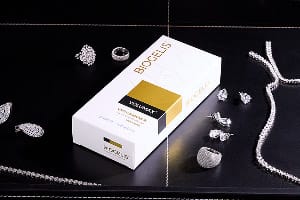
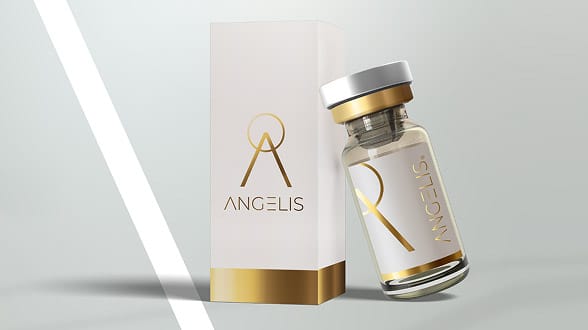
Angelis® Plla

(poly-L-lactic acid)
THE PERFECT CONNECTION BETWEEN SCIENCE AND NATURAL BEAUTY.

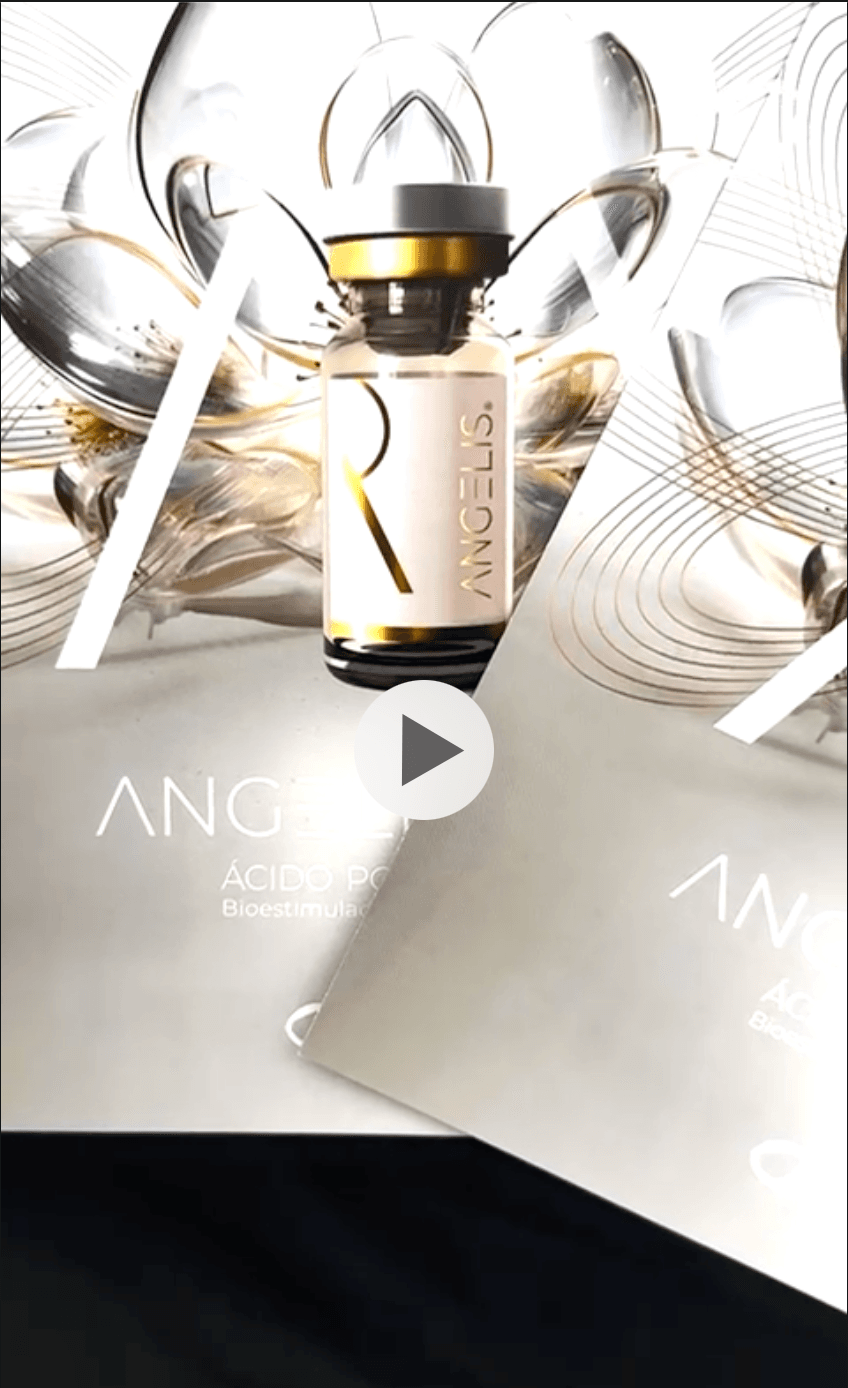
The de ANGELIS app® PLLA in the subcutaneous layer stimulates the production of type I collagen. The volume generated lasts for more than 2 years.¹

It is an effective and highly reliable type I collagen biostimulator that helps restore the skin's natural volume. Its main component, Poly-L-Lactic Acid, is biodegradable and has been used in medicine for over 20 years. Authorized by the FDA and ANVISA. Minimally invasive and 100% absorbable by the body.

Anvisa registration: 81621070008.

Technical Information

365mg x 1 vial (10ml)
150 mg Poly-L-lactic acid
90 mg Carboxymethylcellulose
127.5mg Apyrogenic Mannitol

For correcting deficiencies in the contour of the nasolabial fold and for restoring and/or correcting signs of facial fat loss (lipoatrophy), including people with human immunodeficiency virus.

Treatment areas

Suitable for areas such as the temples, middle and lower thirds of the face and the contour, with the exception of mobile areas such as the periorbicular and perioral, Angelis restores structure and definition, gradually restoring the skin's natural volume and minimizing wrinkles.

Reconstitution for Volume: 8 mL
5 mL
Sterile water for injection
Shake the bottle for 1 min (vigorously)
3 mL
Sterile water for injection
Totaling 8 mL
Reconstitution for Volume: 16 mL
5 mL
Sterile water for injection
Shake the bottle for 1 min (vigorously)
3 mL
Sterile water for injection
Siphon the solution into 3 or 5 mL
3 mL syringe: 1.5 mL + 1 mL
5 mL syringe: 2 mL
Double the volume of each syringe with sterile water, totaling 16 mL
Watch the video
Mechanism of Action

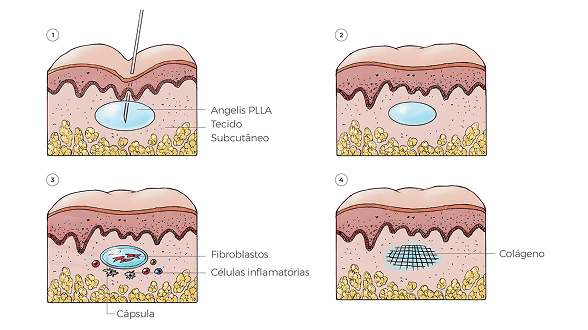
The mechanism of action of injectable PLLA involves the degradation of the microsphere particles, in which a tissue inflammatory response is initiated and a fibrous capsule surrounds the polylactides.

Over time, the product degrades, the inflammatory response decreases and the resulting collagen deposition increases. This dermal fibroplasia produces the desired result and increases dermal thickness.

CUNHA, M. G, PARAVI, F.D., MACHADO, C.A. Histological changes of collagen types after different modalities of dermal remodeling treatment: A literature review. Surg Cosmet Dermatol. 2015; 7(4): 285-92. FITZGERALD, R. et al. Physiochemical Characteristics of Poly-L-Lactic Acid (PLLA). Aesthetic Surgery Journal 2018, Vol 38. ORTOLAN, M. C. A. B. et al. Influence of aging on the skin quality of white-skinned women: the role of collagen, elastic material density, and vascularization. Rev Bras Cir Plást. 2013;28(1):41-8

Indication of use

With its ultra-fine particles, Angelis works by deeply stimulating the natural production of collagen. The result is denser, firmer and renewed tissue - as if the skin had been re-layered with vitality.

Reference: 1. Treatment of HIV lipoatrophy and lipoatrophy of aging with poly-L-lactic acid: A prospective 3-year follow-up study. - J AM ACAD DERMATOL, DECEMBER 2008.
We use cookies to guarantee you the best browsing experience and to personalize content and ads. By continuing you agree to our Privacy Policy.
Innovation and science in an exclusive portfolio for your treatments.
360º Solution: diversified portfolio of minimally invasive aesthetic treatments.